


A digital content and marketing strategy for a heritage winery entering a new generation.
photoshooting, photoediting, videotaping, strategy analysis
Canva for layout and storytelling;
CapCut for short-form video editing;
Lightroom for photo editing.
St. Francis Winery & Vineyards is a respected Sonoma County winery known for its premium wines and hospitality-driven tasting experiences. The winery’s estimated annual revenue is approximately $35 million.
The winery produces around 200,000+ cases of wine annually, distributed across all 50 U.S. states and in international markets. The winery offers a Wine Club with semi-annual shipments (typically 12 bottles twice per year), which is a key DTC sales channel.
St. Francis Winery & Vineyards faces a need to sustain long-term growth as sales and visitation from its historically loyal Baby Boomer audience have declined.
At the same time, its current marketing approach is no longer effective at attracting and engaging a younger generation of wine consumers.
The challenge is to earn the attention of younger, digital-first customers and begin building new relationships with them—without compromising brand integrity or the winery’s established reputation, heritage, and loyalty among existing customers.

I proposed a content strategy built on audience segmentation, platform intent, and storytelling formats that meet users where they already are.
Segment audiences by intent and behavior
Match content format to platform expectations
Turning viewers into brand advocates
The strategy scales with the brand, rather than chasing trends. I developed this approach to create long-term value by designing reusable content systems that support multiple audience groups simultaneously. This strategy allows the brand to adapt to platform changes without rebranding, and it meets the primary goal to keep brand integrity.
Why does this strategy work long-term?
Why should the content format stay adaptive?
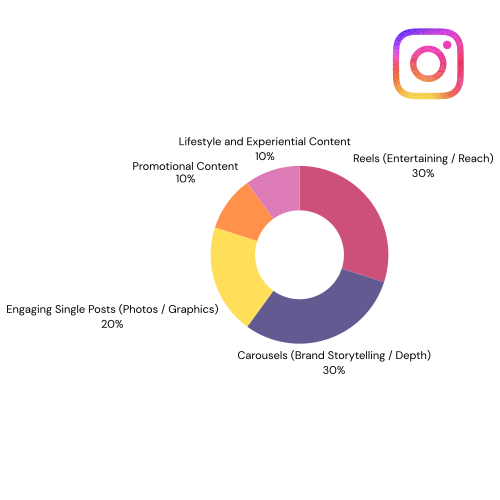
Content tailored to platform behavior consistently performs better. For example, Instagram carousels are effective for informing users about a brand's identity and guiding them through a storytelling experience. Using the right format for the right platform increases engagement, interaction, and overall content performance.

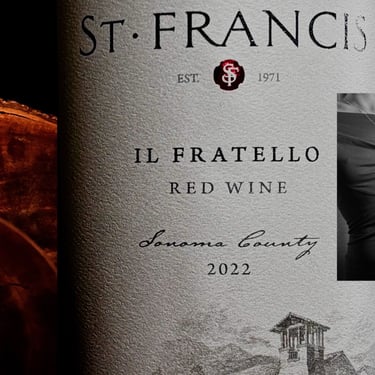
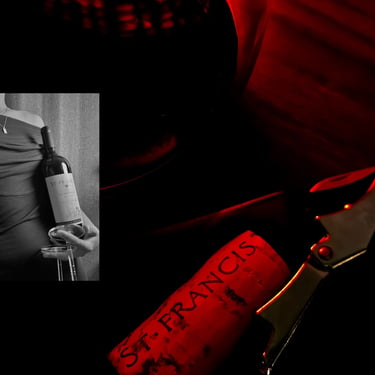
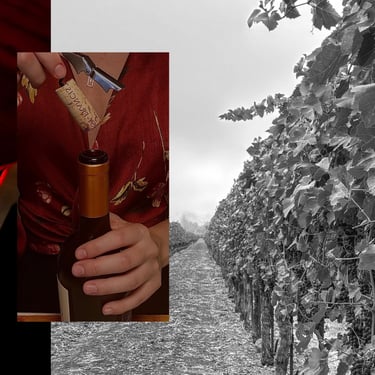

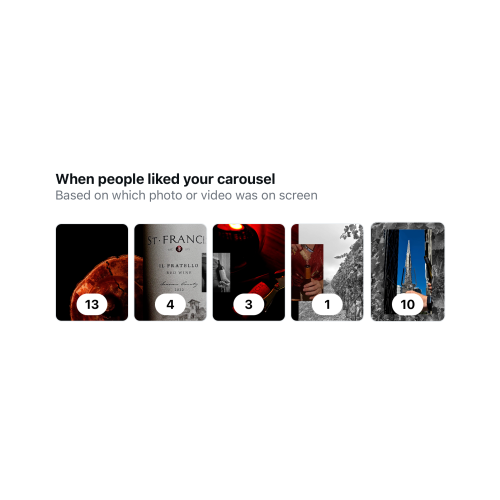
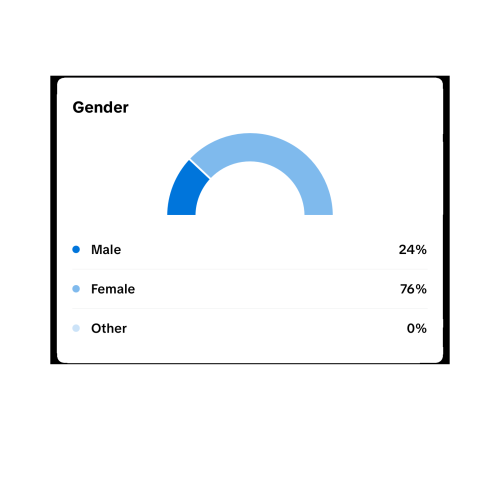
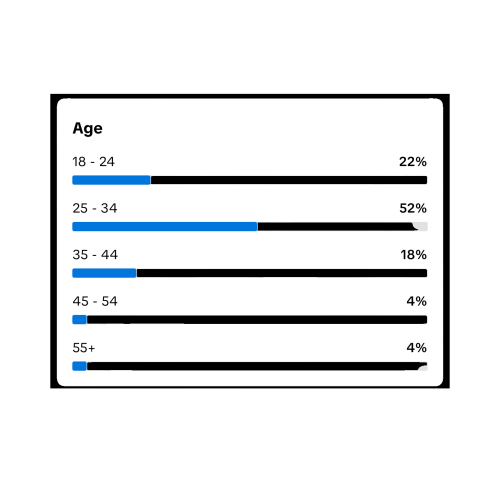
Talking loudly about your mission and values is always beneficial, but for better performance, especially for reaching non-followers, it's crucial to know your targeted audience's interests and lifestyle.
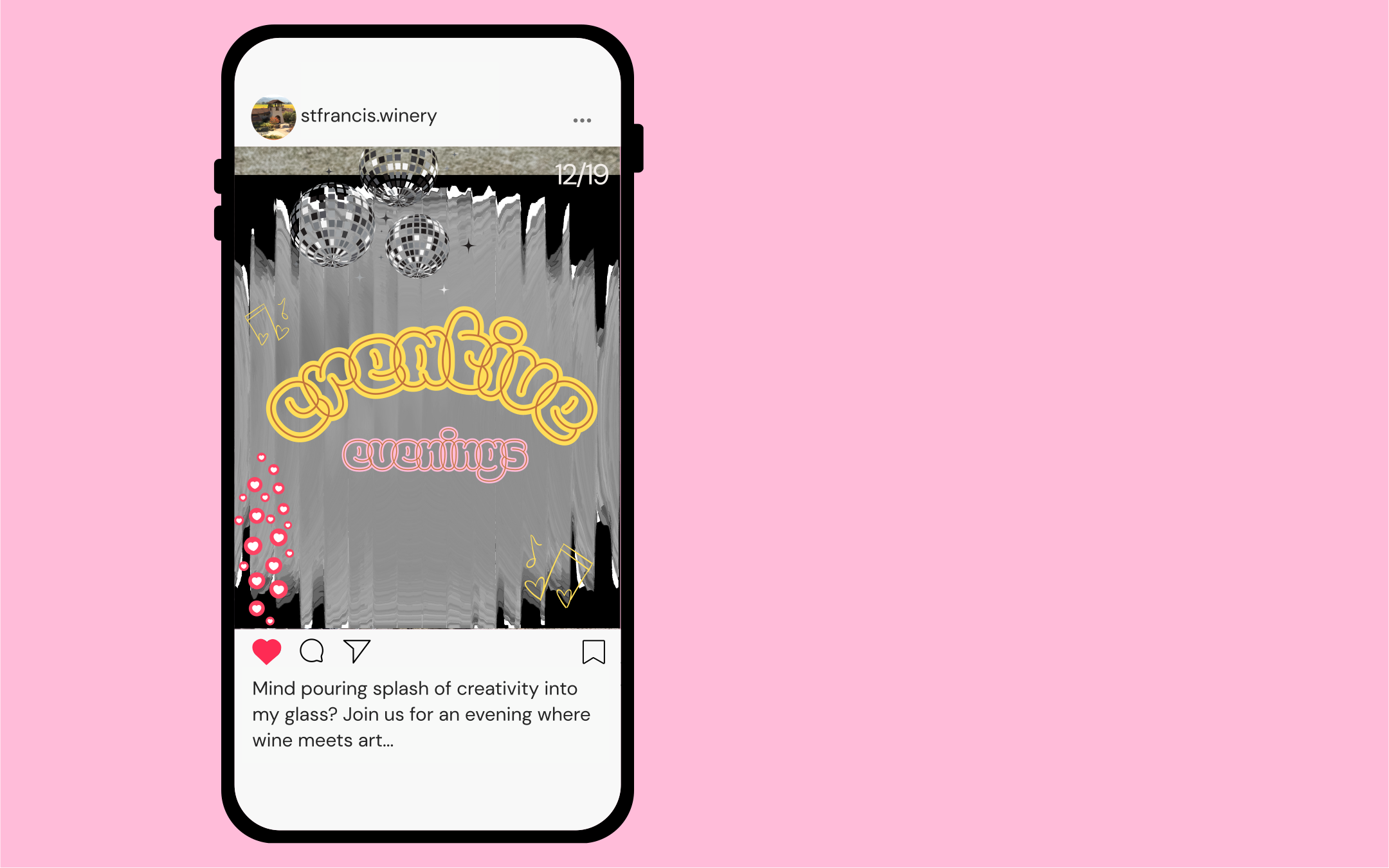
Recent Instagram algorithm updates place greater emphasis on user interests, content relevance, and intentional scrolling behavior.
If your reachable customer persona is a creative young folk who thrives in an urban rhythm and enjoys art events, find the right words to align with their needs.
At the same time, nurturing long-term relationships with loyal audiences and sharing day-to-day moments from the vineyard continues to have a strong place within the Meta ecosystem.
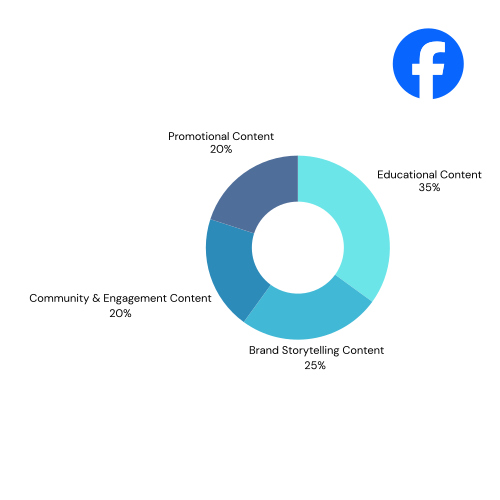
Facebook remains a valuable platform for maintaining connections, familiarity, and ongoing engagement with established communities. Facebook also provides a natural environment for promotional content targeting an already engaged audience.
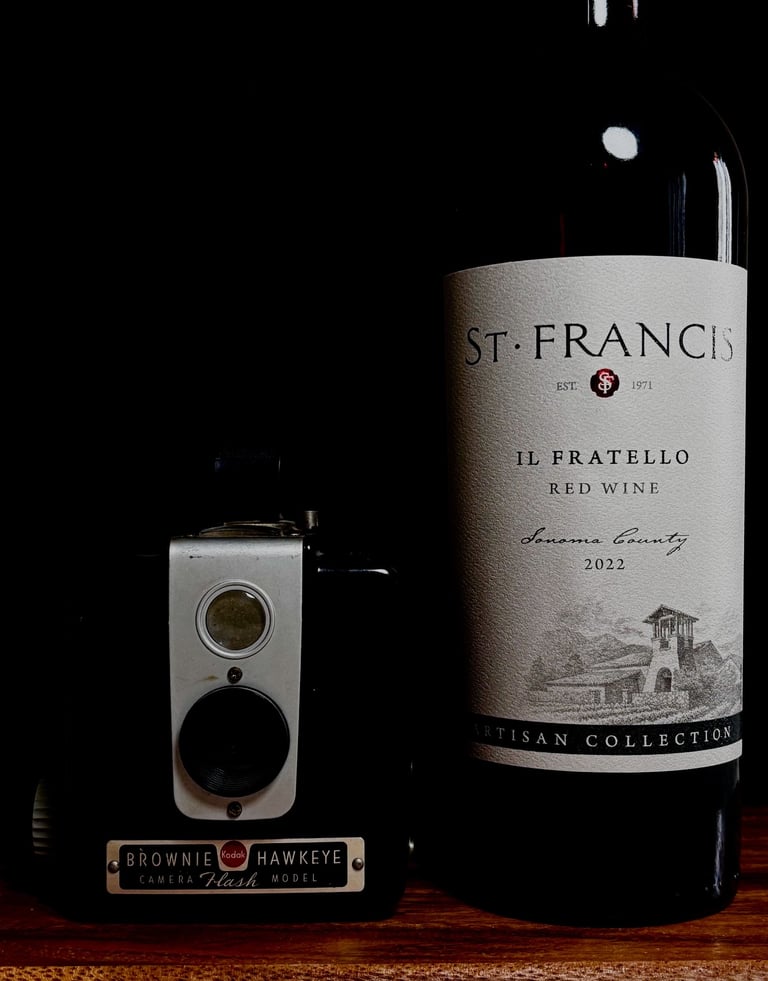
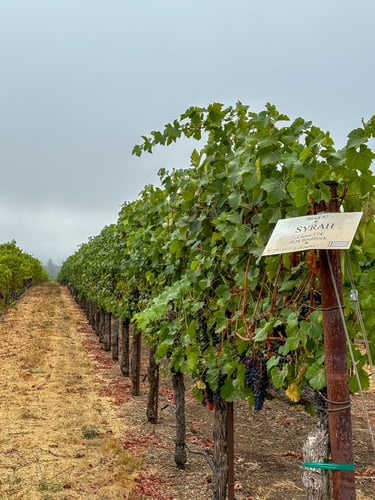
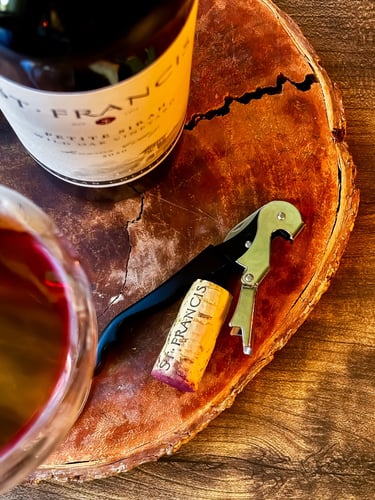
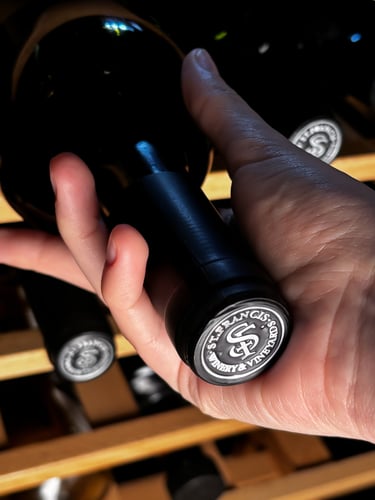
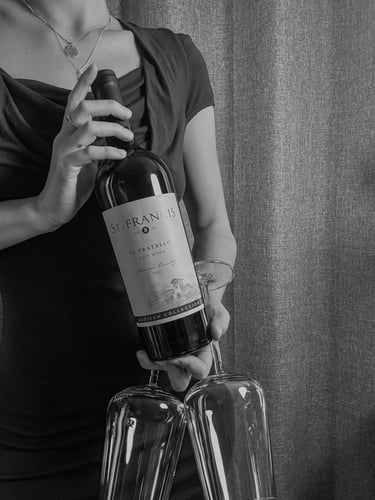

By letting your followers be a part of your creative team, you're turning real users into personal brand advocates.
“A solo Friday night in: vinyl playing, cat by your side, and St. Francis wine — the perfect cozy companion for your summer unwind.”